Storm Damage Restoration (Wind, Hail, Tornado, Falling Trees)


This is one of the most common insurance restoration categories, especially in Michigan due to severe weather.
Typical restoration work includes:
-
Roof repair or full roof replacement
-
Siding repair or replacement
-
Gutter and downspout replacement
-
Window and door damage repair
-
Structural repairs from fallen trees or debris
-
Exterior trim, fascia, and soffit repairs
Storm restoration often involves documenting widespread damage that may not always be obvious from the ground.
Water Damage Restoration

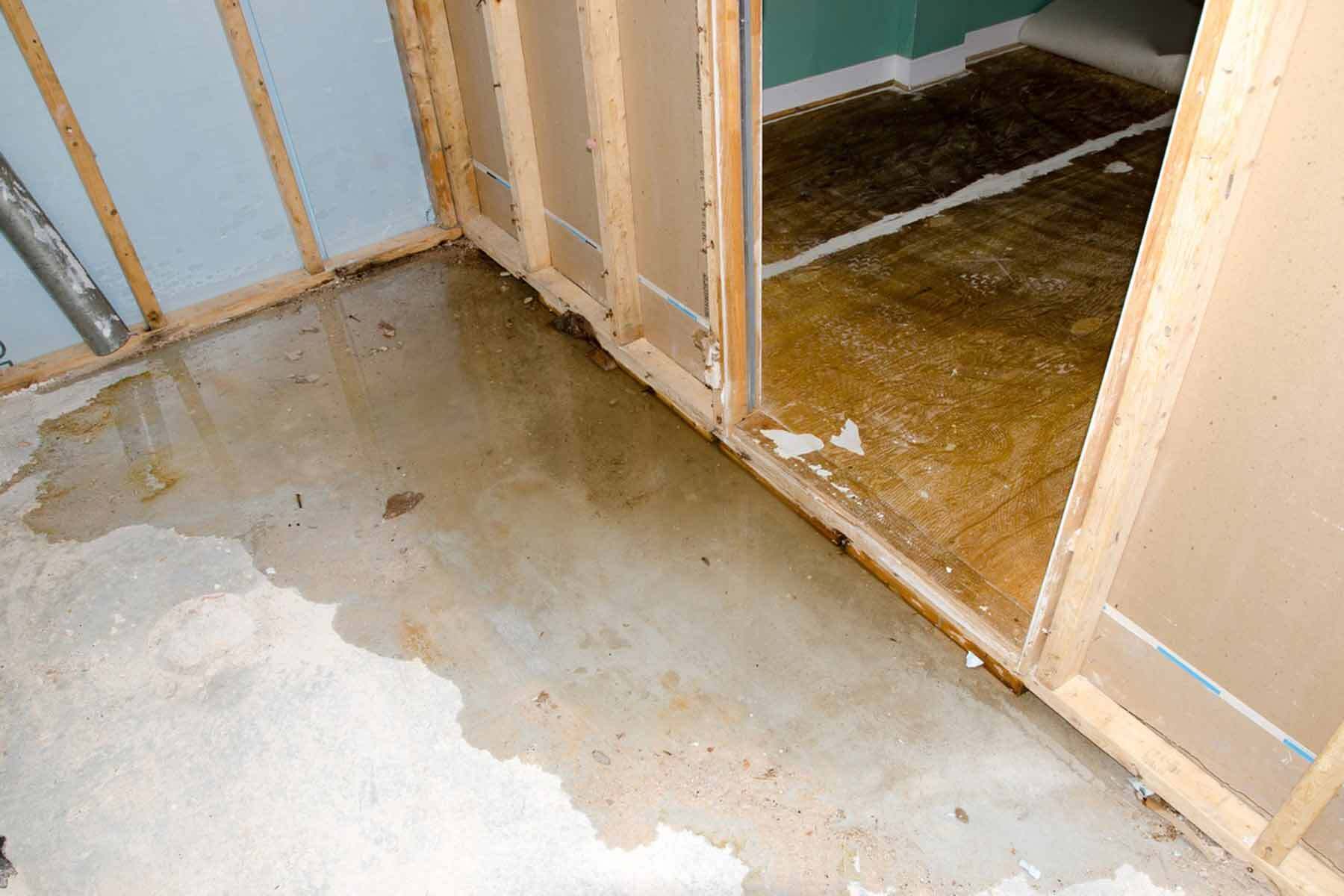

Water losses typically require both mitigation (drying and cleanup) and reconstruction (rebuilding damaged materials).
Typical restoration work includes:
-
Emergency water extraction
-
Structural drying and dehumidification
-
Mold prevention or remediation
-
Drywall removal and replacement
-
Flooring replacement (carpet, hardwood, LVT, tile)
-
Cabinet and trim replacement
-
Insulation replacement
Water damage restoration is usually time-sensitive because delays can increase damage and lead to mold growth.
Fire and Smoke Damage Restoration
Fire restoration involves both structural rebuilding and specialty cleaning.
Typical restoration work includes:
-
Structural repairs and rebuilding
-
Smoke and soot removal
-
Odor removal and air purification
-
Drywall, insulation, and framing replacement
-
Electrical system repair
-
Flooring, cabinetry, and finish reconstruction
-
Contents cleaning and restoration
Fire losses often involve multiple trades and extensive coordination with insurance adjusters.
Mold Remediation (When Related to a Covered Loss)



Mold restoration is usually covered only if it results from a sudden covered event, such as a burst pipe or storm intrusion.
Typical restoration work includes:
-
Containment setup to prevent spread
-
Removal of contaminated materials
-
Antimicrobial treatments
-
Air filtration and testing
-
Rebuilding removed materials
Structural Restoration and Reconstruction


Typical restoration work includes:
-
Framing and structural repairs
-
Subfloor and roof decking replacement
-
Load-bearing wall repairs
-
Foundation repair (if related to a covered loss)
-
Code-required upgrades tied to repairs
What Makes Restoration Different From Remodeling
Since you often deal with both in your industry, this is a helpful distinction:
Restoration
-
Triggered by damage or loss
-
Usually involves insurance
-
Focused on returning home to pre-loss condition
-
Often urgent and time-sensitive
-
Requires documentation and claim coordination
Remodeling
-
Voluntary improvement or upgrade
-
Paid directly by homeowner
-
Focused on improving function, style, or value
-
Flexible timeline and design choices
Additional Work Often Included in Insurance Restoration
These items are commonly part of a claim even though homeowners may not realize it:
-
Temporary tarping or board-ups
-
Debris removal
-
Emergency mitigation services
-
Code compliance upgrades (when required by law and covered by policy)
-
Matching materials for uniform appearance
-
Permit and inspection coordination